Ever smelled saffron drifting through an entire apartment building? My neighbors have. Sometimes they ring my doorbell just to find out what I’m cooking. Persian food is a feast for the senses, and to me, it’s simply the most delicious food in the world. It uses only a few fresh, high-quality ingredients, stays mild, rarely calls for garlic or hot spices, and always comes with a generous helping of love.
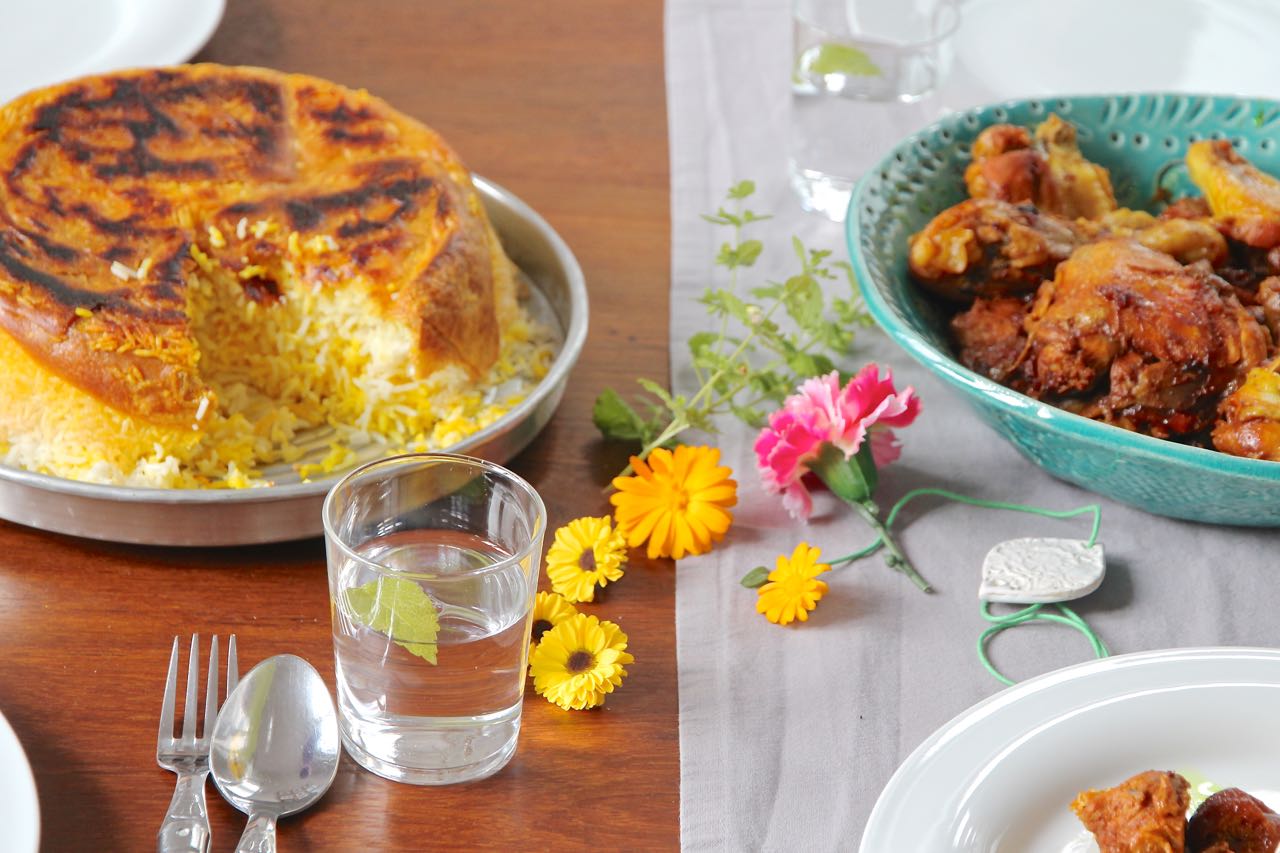
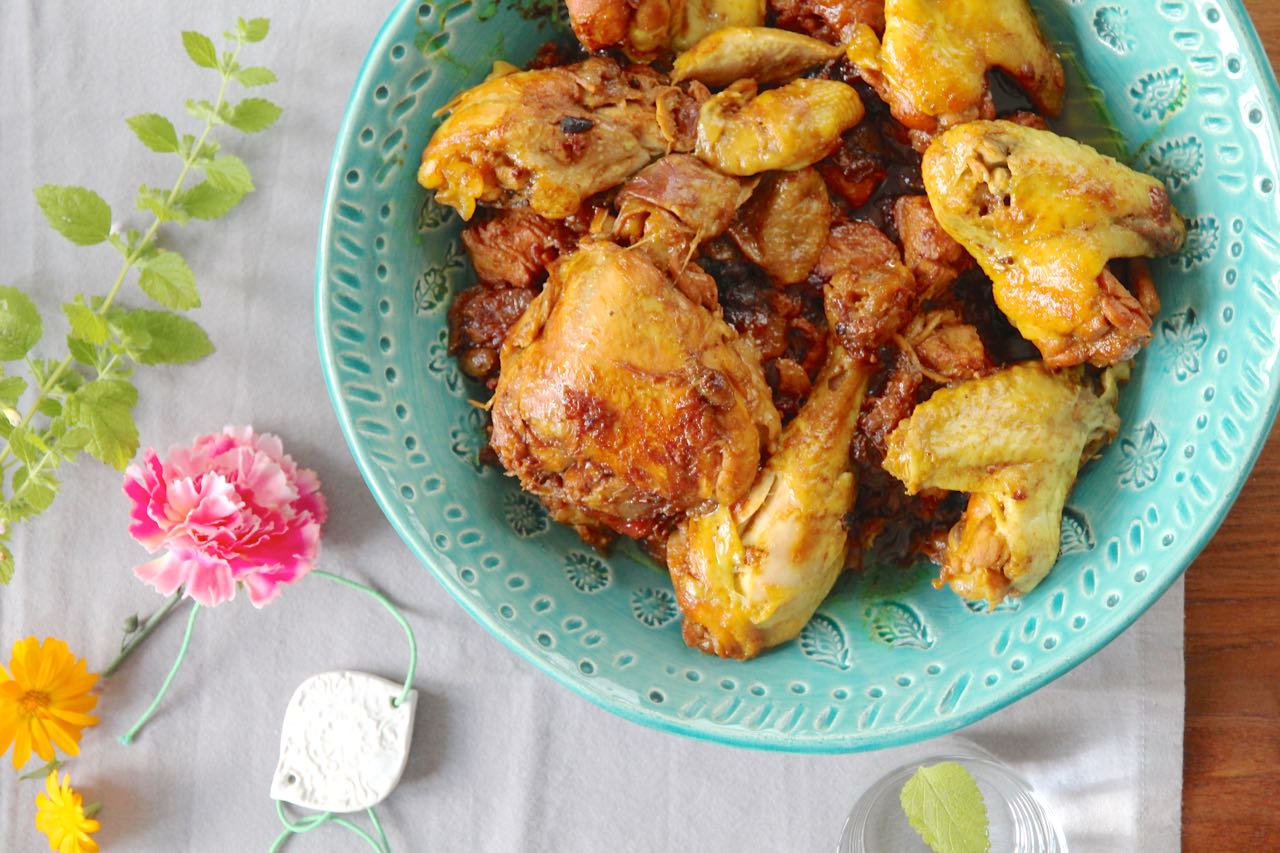
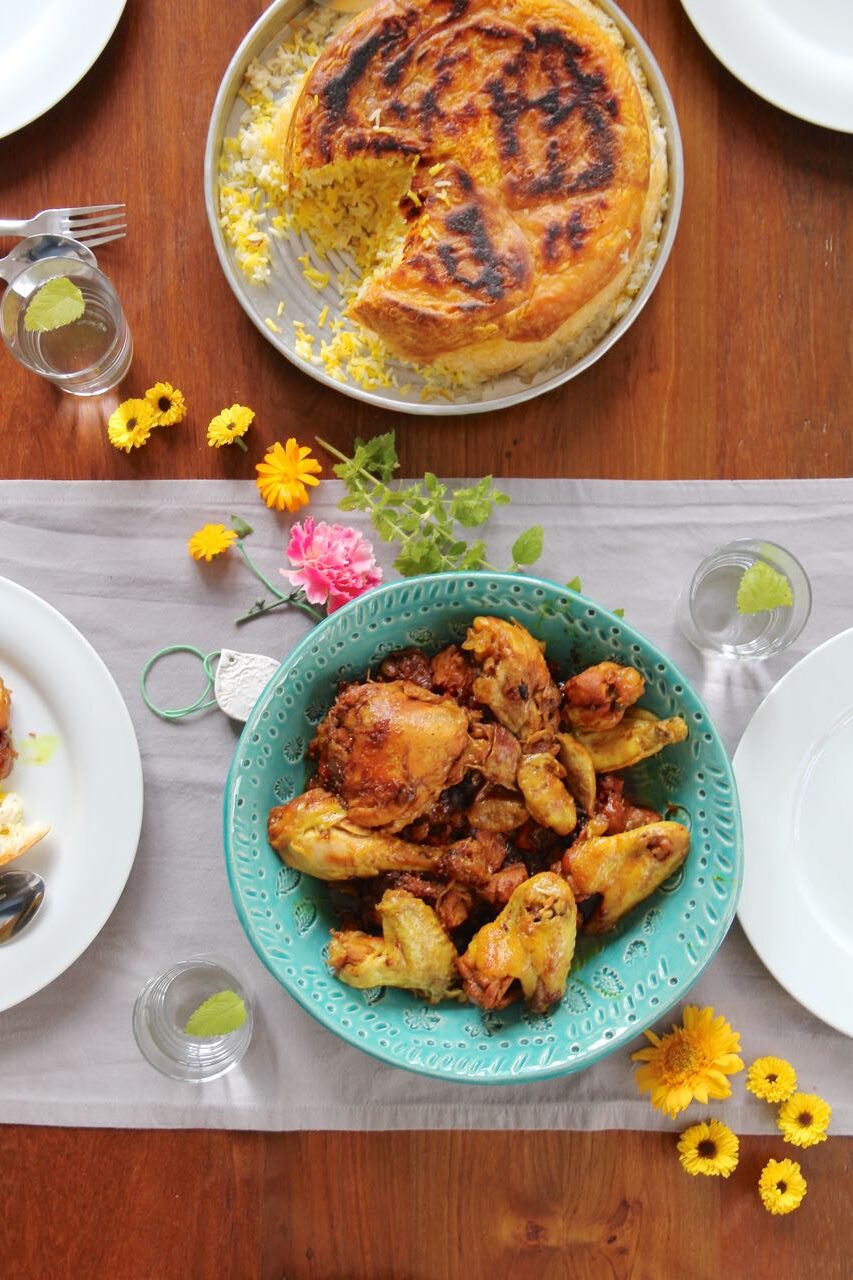
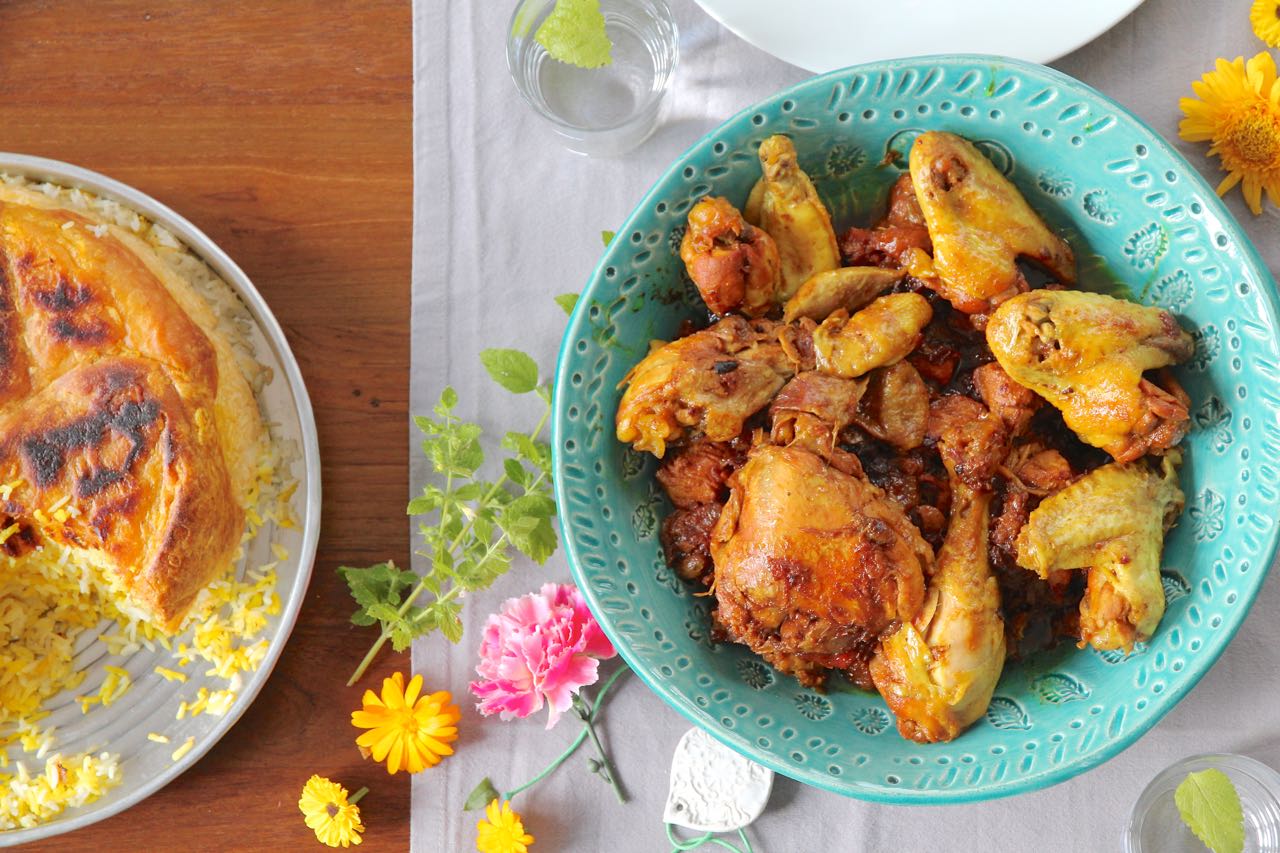
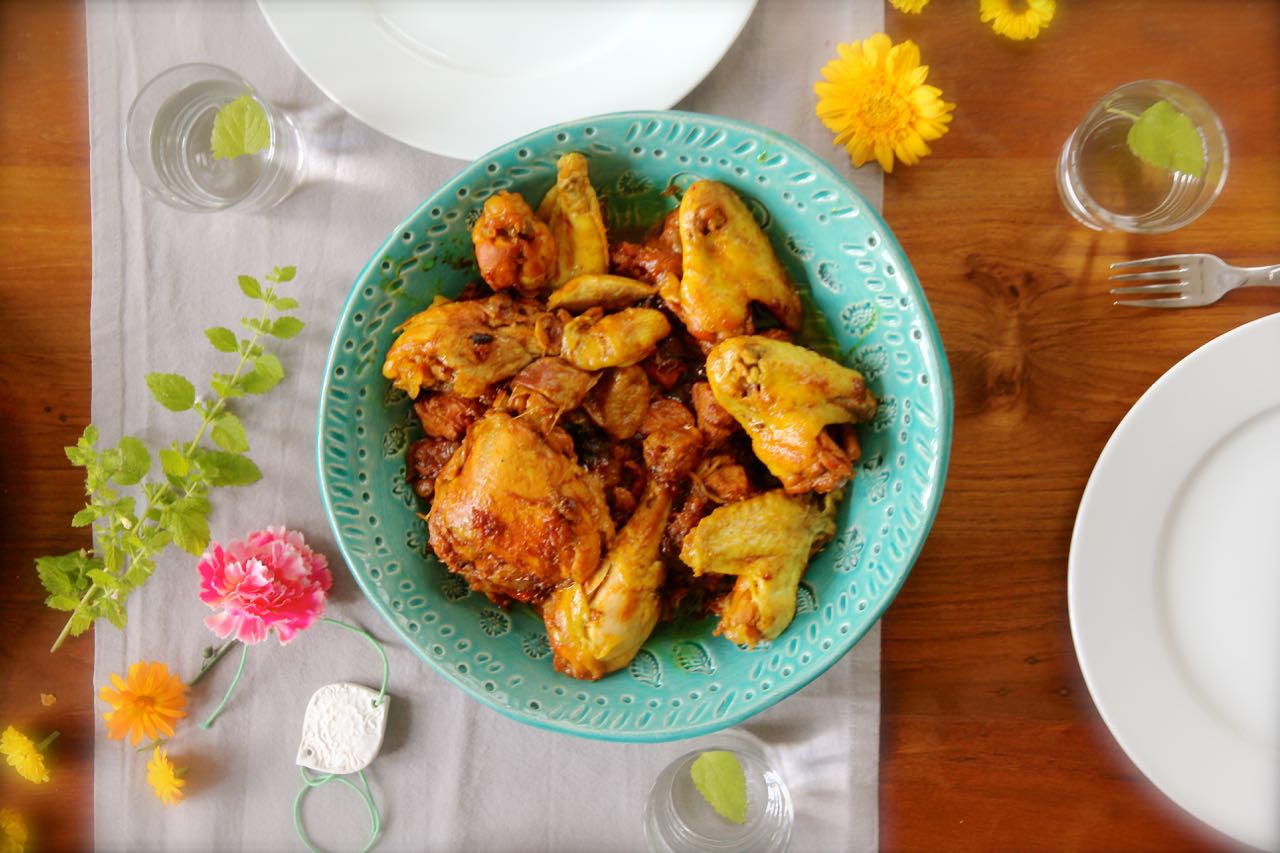
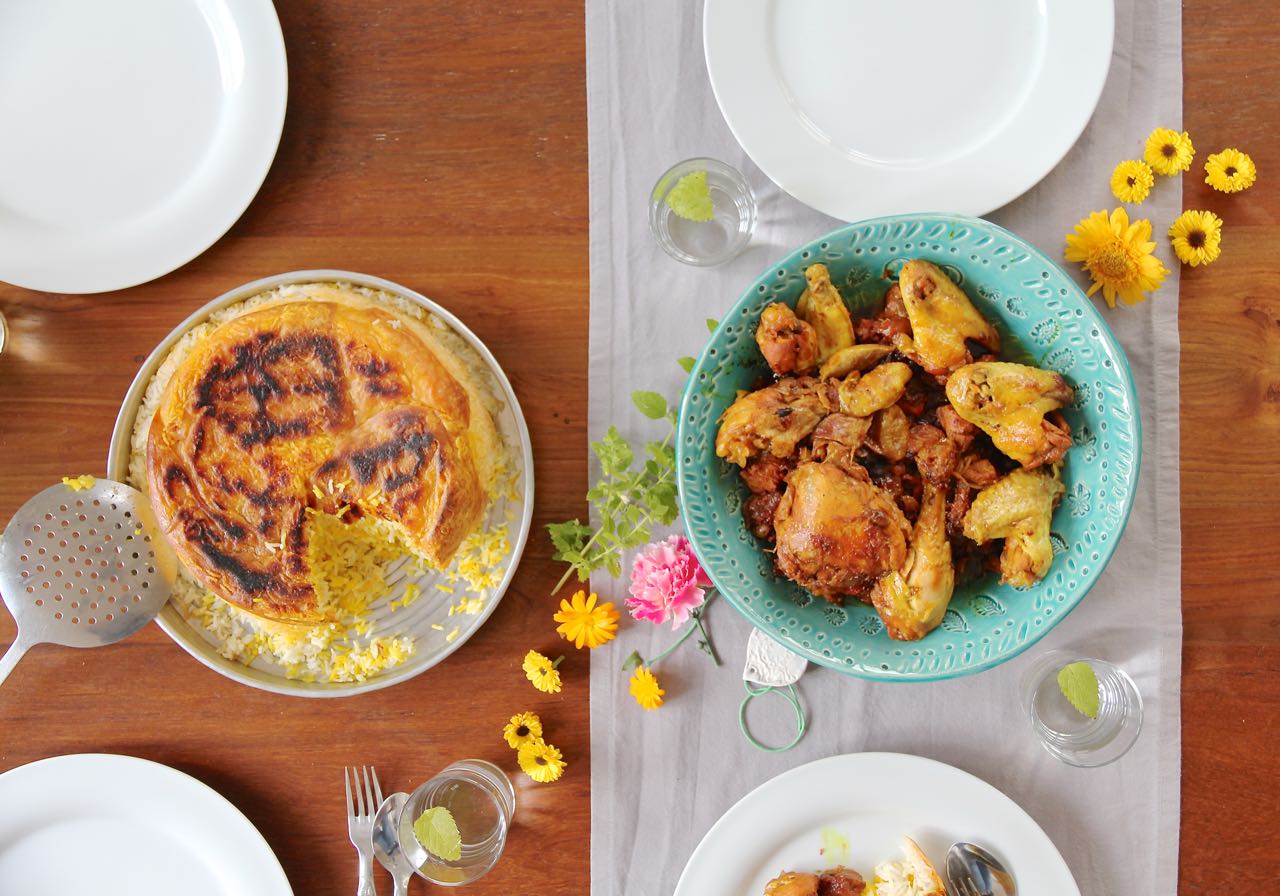
This Khoresht-e Alu Morgh, a slow-cooked Persian chicken stew with dried plums and saffron, is easy to make. You just need a little patience. The chicken simmers low and slow so the flavors can melt together and deepen. We serve it with chelo, fluffy Persian rice, topped with a golden, crunchy saffron crust called tahdig.
COOKING PERSIAN FOOD – TIME, BALANCE AND LOVE
I cook Persian food on weekends, because this cuisine asks you to slow down. In Persian tradition, every food has a nature: it either warms or cools the body and mind. We cook to keep these two in balance, so we feel good in body and soul. That’s why I often tell you whether a recipe is warming or cooling.
WHAT IS KHORESHT?
A Khoresht (خورش) is a traditional Persian stew and an essential part of Iranian cuisine. The term refers to a whole family of dishes prepared with different combinations of meat, vegetables, legumes, fresh herbs, fruits, or nuts, depending on the region and season. What makes a Khoresht special is the slow cooking process. It should simmer gently over low heat for at least 1½ hours, allowing all the ingredients and spices to develop their flavors and blend into a rich, aromatic sauce. Some varieties require even longer cooking. In Persian cooking, a good Khoresht takes time and should never be rushed.
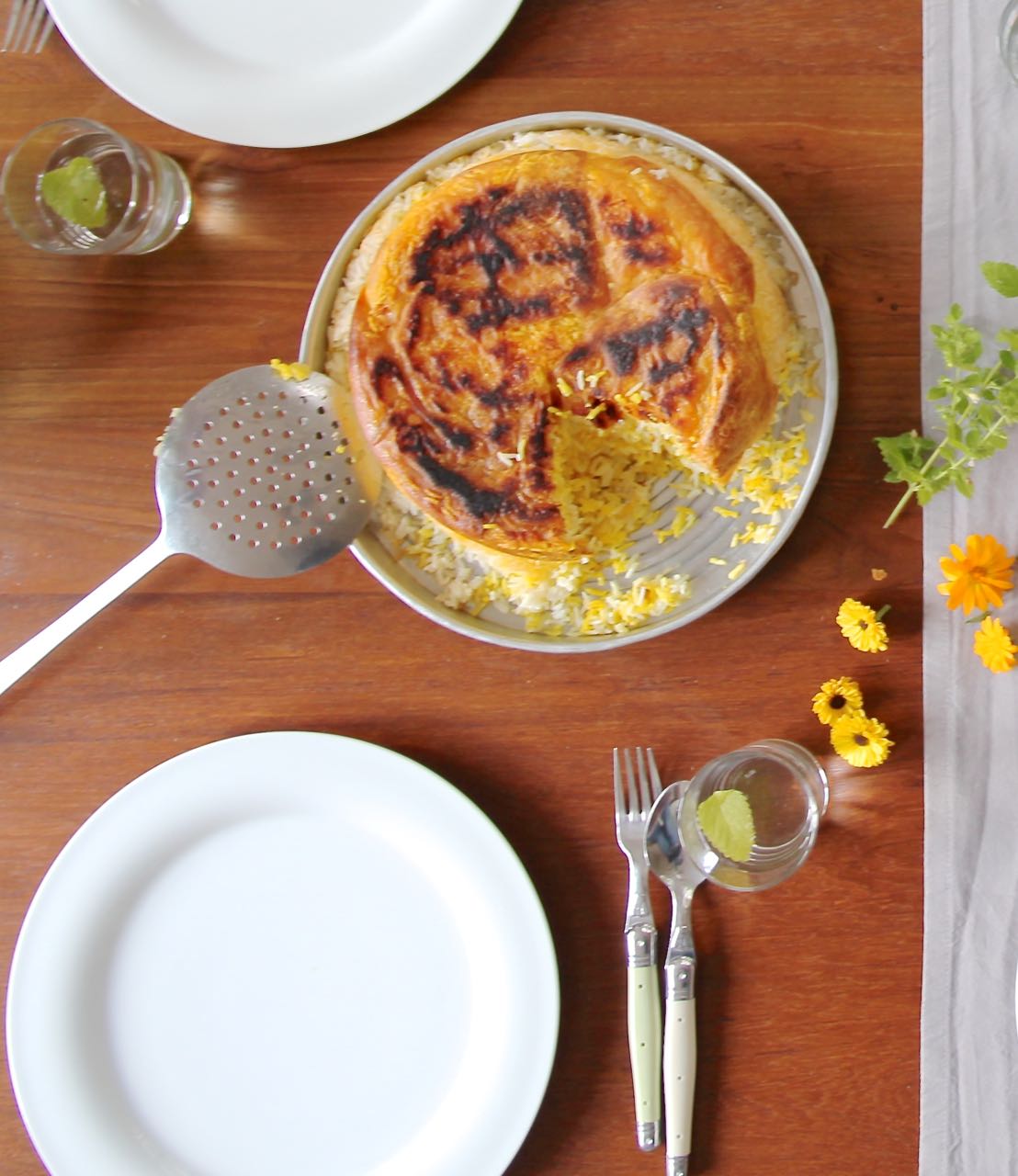
Khoresht is traditionally served with Chelo (چلو), the Persian style of steamed white rice. The rice is first parboiled and then gently steamed until the grains are light, fluffy, and separate. During steaming, a golden, crispy crust forms at the bottom of the pot. This delicious crust is called Tahdig and is often considered the highlight of a Persian meal. Together, the tender stew, fragrant rice, and crispy Tahdig make a classic combination that is loved in Persian households and served on both everyday and special occasions.
WHY PERSIAN RICE TASTES SO SPECIAL
In Iran, rice lands on the table every day, just like potatoes do in Germany. If you only know rice from a boil-in-the-bag pouch, you’re in for a treat. I know no other rice that beats Persian rice for flavor. The secret starts with washing. Rinse your rice up to seven times until the water runs clear. This washes out the starch, so the grains stay light, fluffy and separate.
Persians cook rice in three different ways. For chelo, use the best ingredients you can find, and pick the right rice. Persian rice from the Caspian Sea region is ideal. If you can’t find it, choose aromatic basmati rice. Please skip regular long-grain rice, because it won’t give you the same fluffy texture or aroma.
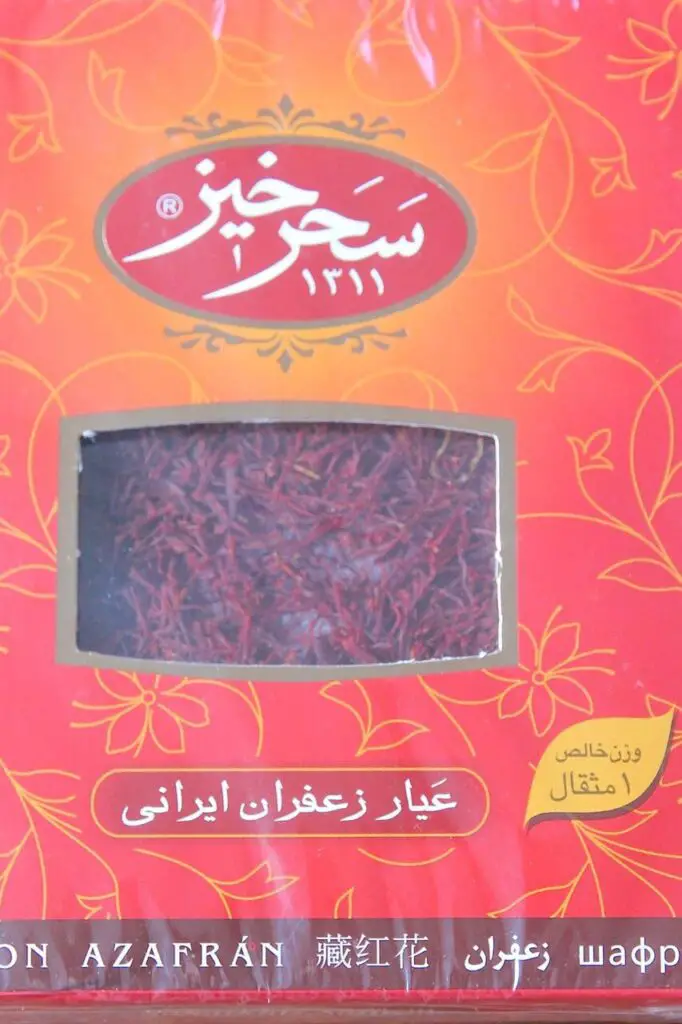
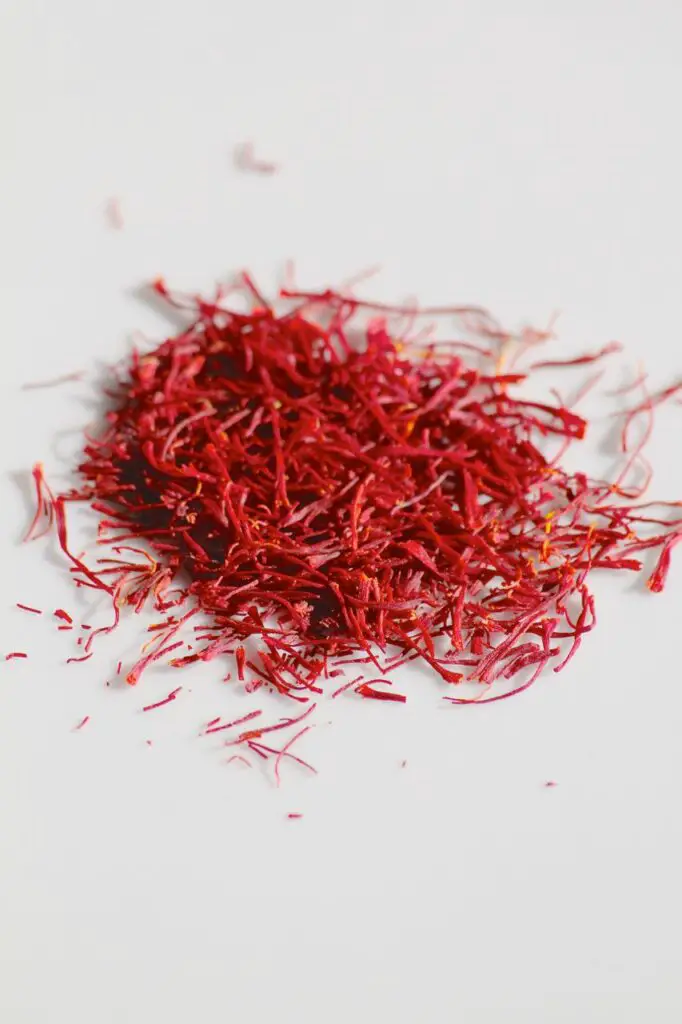
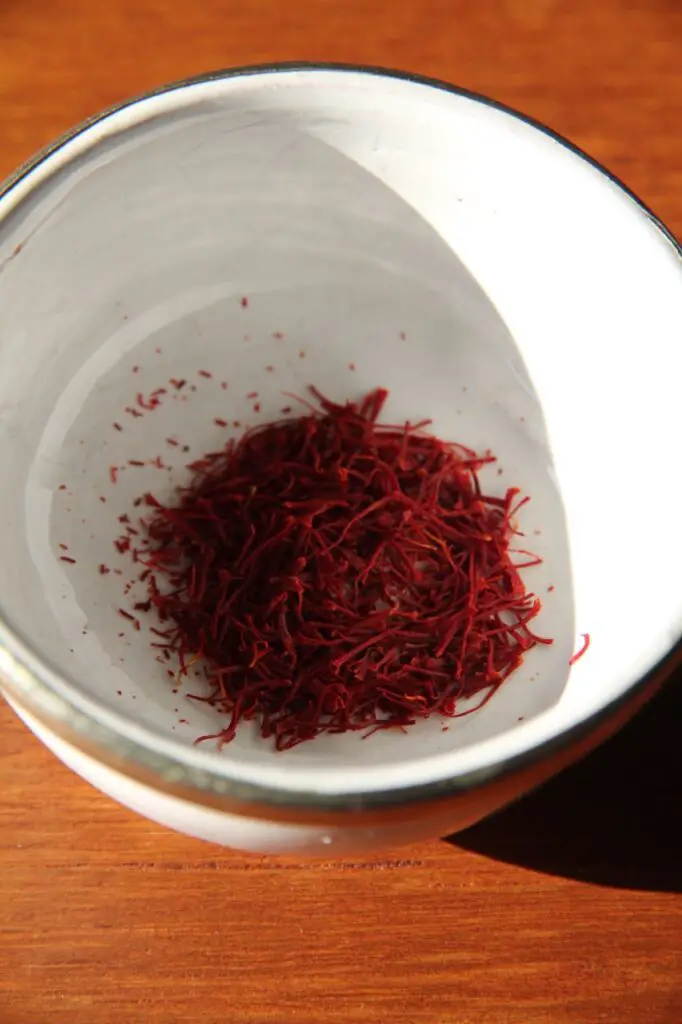
Use real Persian saffron, too. It’s the queen of spices and far more aromatic than most supermarket saffron. It turns your rice a gorgeous golden yellow and makes your kitchen smell like One Thousand and One Nights. You’ll also need alu bukhara, Persian dried plums. You’ll find them in Persian grocery stores, and dried prunes make a good substitute.
WHAT IS TAHDIG?
Tahdig is the best part of Persian rice: the crispy, golden crust at the bottom of the pot. “Tah” means bottom, and “dig” means pot. It’s saffron-yellow, crunchy and utterly addictive. You can make tahdig with rice, potato slices or lavash bread. Today, I used lavash.
We break the tahdig into big pieces, and the guest always gets the best one. Hospitality means everything to us, and nothing is more embarrassing than a hungry guest.
At home, I use an electric rice cooker*, which every Persian household owns. For you, I’ve included a method for a non-stick pot*. It’s actually my favorite, because the rice turns out even fluffier.
SAFFRON – THE RED GOLD OF PERSIAN COOKING
Saffron is the queen of spices. Persian cooks have treasured it for centuries, not only for its color and aroma, but also for its place in traditional home remedies. Folk tradition says it aids digestion, calms the mind and helps you sleep. People often sip warm milk with a pinch of saffron and cinnamon for a cough, or a tea of peppermint, fennel and lemon balm with three saffron threads for an upset stomach.
Note: These are traditional home remedies from Persian cooking, not medical advice. If you have health concerns, please talk to your doctor.
FAQ – PERSIAN CHICKEN AND PLUM STEW
Where can I buy alu bukhara?
You’ll find them in Persian and Middle Eastern grocery stores. If you can’t, use dried prunes. The stew will taste a little sweeter and less tangy.
Which rice should I use for Persian rice?
The best choice is Persian rice from the Caspian Sea region, which you’ll find in Persian grocery stores. It’s wonderfully aromatic and turns out fluffy. Basmati rice is a great alternative. Regular long-grain rice won’t give you the same fluffy texture and aroma.
How long should a khoresht simmer?
At least 1½ hours on low heat, so the flavors can blend and deepen.
How do I get a crispy tahdig?
Wrap the lid in a kitchen towel, turn the heat to its lowest setting, and keep the lid on. Before flipping, dip the base of the pot in cold water for a few seconds.
COME ALONG ON A LITTLE JOURNEY
If you’d love to taste Persia/Iran with all your senses, set aside a weekend, fire up your stove, and let saffron, plums and a golden crunchy crust take you on a little journey. I’d love to have you along. Even better, tell me how your kitchen smelled.
INGREDIENTS FOR THE CHICKEN AND PLUM STEW
4 large chicken legs (thigh and drumstick)
2 large onions
2 tbsp oil
1 tsp turmeric*
400 g (14 oz) alu bukhara (Persian dried plums, sold in Persian grocery stores)
or dried plums*
50 g (⅓ cup) sultanas*
250 ml (1 cup) boiling water
½ tsp saffron threads*
a pinch of sugar
salt and pepper
HOW TO MAKE THE CHICKEN AND PLUM STEW
Cut the chicken legs in two at the joint.
Heat 1 tbsp oil in a non-stick pot, brown the chicken on all sides, then set it aside.
Slice the onions and fry them in 1 tbsp oil for about 3 minutes.
Sprinkle in the turmeric and fry for 1 more minute.
Add the dried plums and fry for about 5 minutes.
Stir in the sultanas and saffron, then pour in the boiling water.
Return the chicken to the pot and season with salt and pepper.
Cover and simmer on low heat for about 1½ hours.
INGREDIENTS FOR THE PERSIAN RICE WITH CRISPY CRUST (TAHDIG)
500 g (2½ cups) persian or basmati rice*
½ tsp saffron threads*
50 ml (⅓ cup) water
1 tsp sugar
3 tbsp butter
1 tbsp oil
a few slices of lavash bread
salt
HOW TO COOK PERSIAN RICE (CHELO)
Wash the rice in a bowl. Pour off the water, add fresh water, and repeat until the water runs clear.
Cover the rice with fresh water, about 2 cm (1 inch) above the rice.
Stir in 1 tsp salt and soak for about 30 minutes. This gives you long, slender grains.
Bring 2 to 3 liters (2 to 3 quarts) of water to a boil, then add 1 tbsp salt.
Drain the soaked rice, add it to the boiling water, and cook over medium heat for about 6 minutes. The rice should stay al dente. Drain it in a sieve.
HOW TO INFUSE SAFFRON
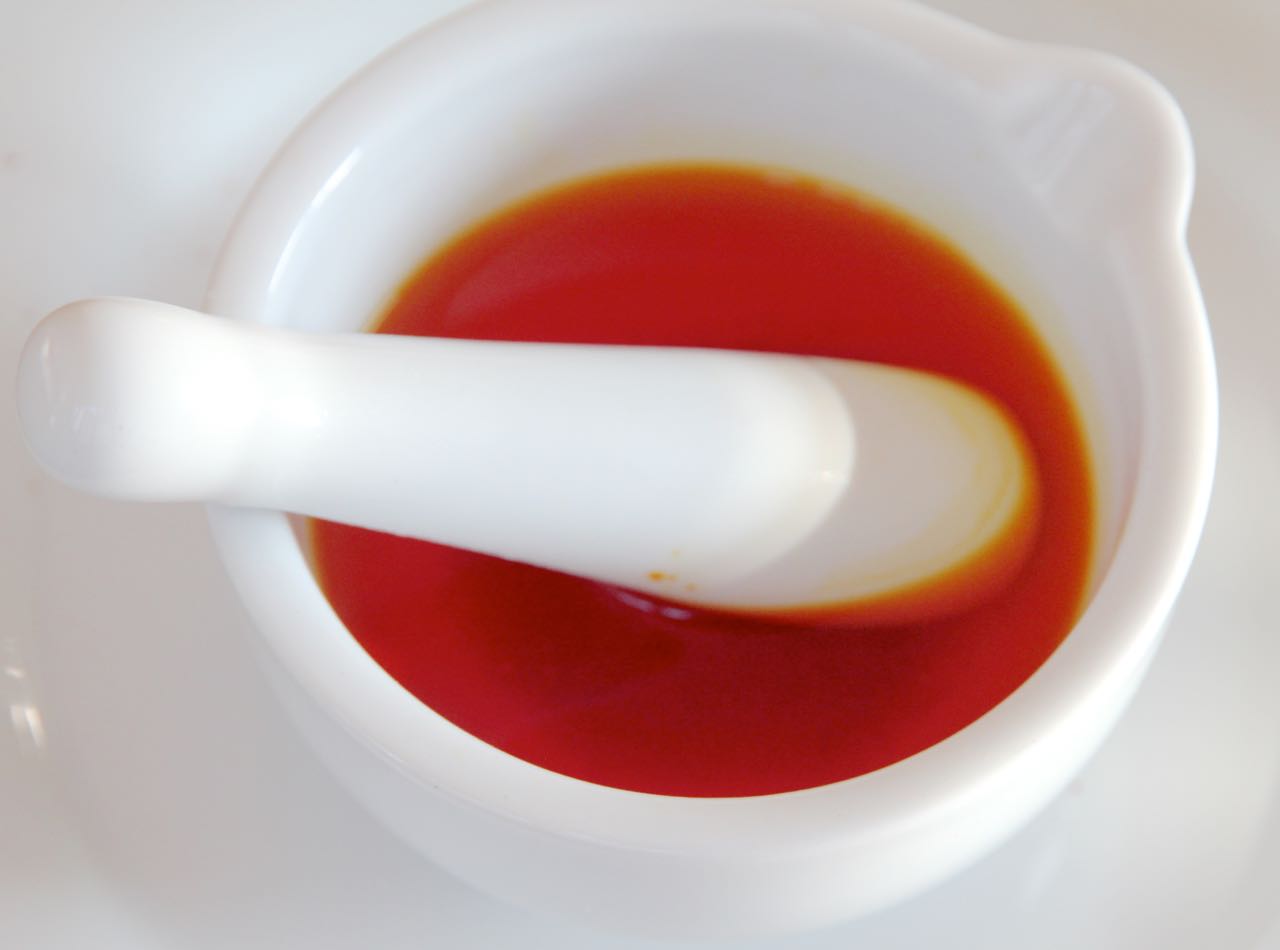
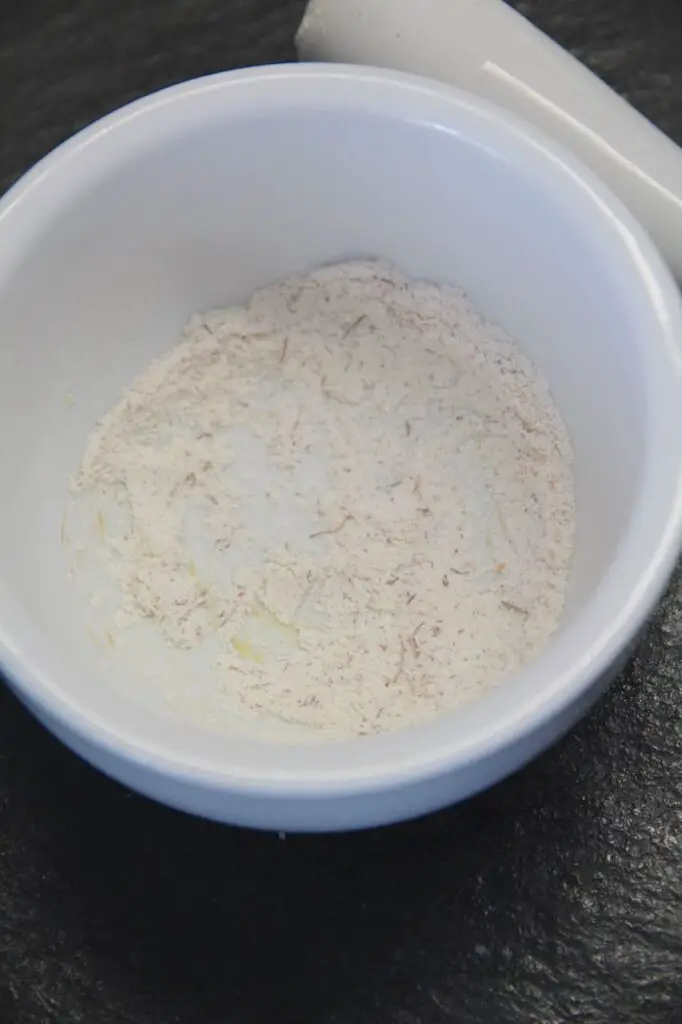
Grind the saffron threads with 1 tsp sugar in a mortar until fine.
Pour a little boiling water over the powder.
Cover the mortar with a small saucer so the aroma stays in.
Tip: The sugar deepens the color and makes the threads easier to grind.
HOW TO MAKE THE CRISPY CRUST TAHDIG
Use a rice cooker, or place a non-stick pot on the stove.
Add the oil, butter and 80 ml (⅓ cup) water, and heat it.
Stir in half of the saffron essence until the liquid turns a lovely golden yellow.
When it starts to bubble, cover the bottom of the pot with lavash bread. Let it climb a little up the sides.
FINISH THE RICE
Spoon the rice over the bread and pile it into a loose mound in the center.
Poke 8 small holes into the rice with the handle of a wooden spoon so the steam can circulate.
Many Persians dot the rice with butter at this point. I usually skip it to keep the rice a bit lighter, and it still tastes amazing. Fat carries flavor, though, so add a few butter flakes if you like.
Wrap the lid in a clean kitchen towel and set it firmly on the pot. The towel catches the steam and keeps the rice dry. (With a rice cooker, you can skip this.)
Turn the heat to its lowest setting and leave the lid alone. This is how the crust turns golden and crisp. After about 60 minutes, the rice is ready.
FLIP THE RICE
Fill your sink with about 5 cm (2 inches) of cold water and dip the base of the covered pot in it for a few seconds. This loosens the tahdig from the bottom. Skip if prepared in a rice cooker.
Lift off the lid and drizzle the rest of the saffron essence over the rice.
Place a large plate upside down on top of the pot (the plate should be wider than the pot, or the rice will land on your counter). Flip it all in one swift move.
And there it is: a beautiful golden rice cake on your plate. Give yourself a big pat on the back. Pat, pat. You did it!
Nooshe Jan, نوش جان! Enjoy your meal!
Susan
Links marked with * are affiliate links. If you buy through them, I earn a small commission, and the price stays the same for you. It’s an easy way to support my work. A huge thank you ♥

Khoresht-e Alu Morgh – Persian Chicken and Plum Stew
Ingredients
INGREDIENTS FOR THE CHICKEN AND PLUM STEW
- 4 large chicken legs thigh and drumstick
- 2 large onions
- 2 tbsp oil
- 1 tsp turmeric
- 400 g alu bukhara (Persian dried plums) (14 oz)
- or dried plums
- 50 g sultanas or golden raisins (⅓ cup)
- 250 ml boiling water (1 cup)
- ½ tsp saffron threads
- a pinch of sugar
- salt and pepper
Instructions
HOW TO MAKE THE CHICKEN AND PLUM STEW
-
Cut the chicken legs in two at the joint.
-
Heat 1 tbsp oil in a non-stick pot, brown the chicken on all sides, then set it aside.
-
Slice the onions and fry them in 1 tbsp oil for about 3 minutes.
-
Sprinkle in the turmeric and fry for 1 more minute.
-
Add the dried plums and fry for about 5 minutes.
-
Stir in the sultanas and saffron, then pour in the boiling water.
-
Return the chicken to the pot and season with salt and pepper.
-
Cover and simmer on low heat for about 1½ hours.
Persian Rice (Chelo)with crispy crust Tahdig
Ingredients
INGREDIENTS FOR THE PERSIAN RICE WITH CRISPY CRUST (TAHDIG)
- 500 g persian or basmati rice (2½ cups)
- ½ tsp saffron threads
- 1 tsp sugar
- 50 ml water (1/5 cup) or 3 tbsp
- 3 tbsp butter
- 1 tbsp oil
- a few slices lavash bread
- salt
Instructions
HOW TO COOK PERSIAN RICE (CHELO)
-
Wash the rice in a bowl.
-
Pour off the water, add fresh water, and repeat until the water runs clear.
-
Cover the rice with fresh water, about 2 cm (1 inch) above the rice.
-
Stir in 1 tsp salt and soak for about 30 minutes. This gives you long, slender grains.
-
Bring 2 to 3 liters (2 to 3 quarts) of water to a boil, then add 1 tbsp salt.
-
Drain the soaked rice, add it to the boiling water, and cook over medium heat for about 6 minutes. The rice should stay al dente.
-
Drain it in a sieve.
HOW TO INFUSE SAFFRON
-
Grind the saffron threads with 1 tsp sugar in a mortar until fine.
-
Pour a little boiling water over the powder.
-
Cover the mortar with a small saucer so the aroma stays in.
HOW TO MAKE THE CRISPY CRUST TAHDIG
-
Use a rice cooker, or place a non-stick pot on the stove.
-
Add the oil, butter and 80 ml (⅓ cup) water, and heat it.
-
Stir in half of the saffron essence until the liquid turns a lovely golden yellow.
-
When it starts to bubble, cover the bottom of the pot with lavash bread. Let it climb a little up the sides.
FINISH THE RICE
-
Spoon the rice over the bread and pile it into a loose mound in the center.
-
Poke 8 small holes into the rice with the handle of a wooden spoon so the steam can circulate.
-
Many Persians dot the rice with butter at this point. I usually skip it to keep the rice a bit lighter, and it still tastes amazing. Fat carries flavor, though, so add a few butter flakes if you like.
-
Wrap the lid in a clean kitchen towel and set it firmly on the pot. The towel catches the steam and keeps the rice dry. (With a rice cooker, you can skip this.)
-
Turn the heat to its lowest setting and leave the lid alone. This is how the crust turns golden and crisp.
-
After about 60 minutes, the rice is ready.
FLIP THE RICE
-
Fill your sink with about 5 cm (2 inches) of cold water and dip the base of the covered pot in it for a few seconds. This loosens the tahdig from the bottom. Skip if prepared in a rice cooker.
-
Lift off the lid and drizzle the rest of the saffron essence over the rice.
-
Place a large plate upside down on top of the pot (the plate should be wider than the pot, or the rice will land on your counter).
-
Flip it all in one swift move.
Recipe Notes
And there it is: a beautiful golden rice cake on your plate. Give yourself a big pat on the back. Pat, pat. You did it!
Have you cooked this or maybe another delicious recipe of mine? Feel free to leave me a comment below. If you tag your picture on Instagram with @labsalliebe and use the hashtag#labsalliebe, I won’t miss a post and will be happy to leave you a comment as well. Can’t wait to see your creations.
♥♥♥♥♥♥♥♥♥♥♥♥♥♥♥♥♥♥♥♥♥♥♥♥♥♥♥♥♥♥♥♥