
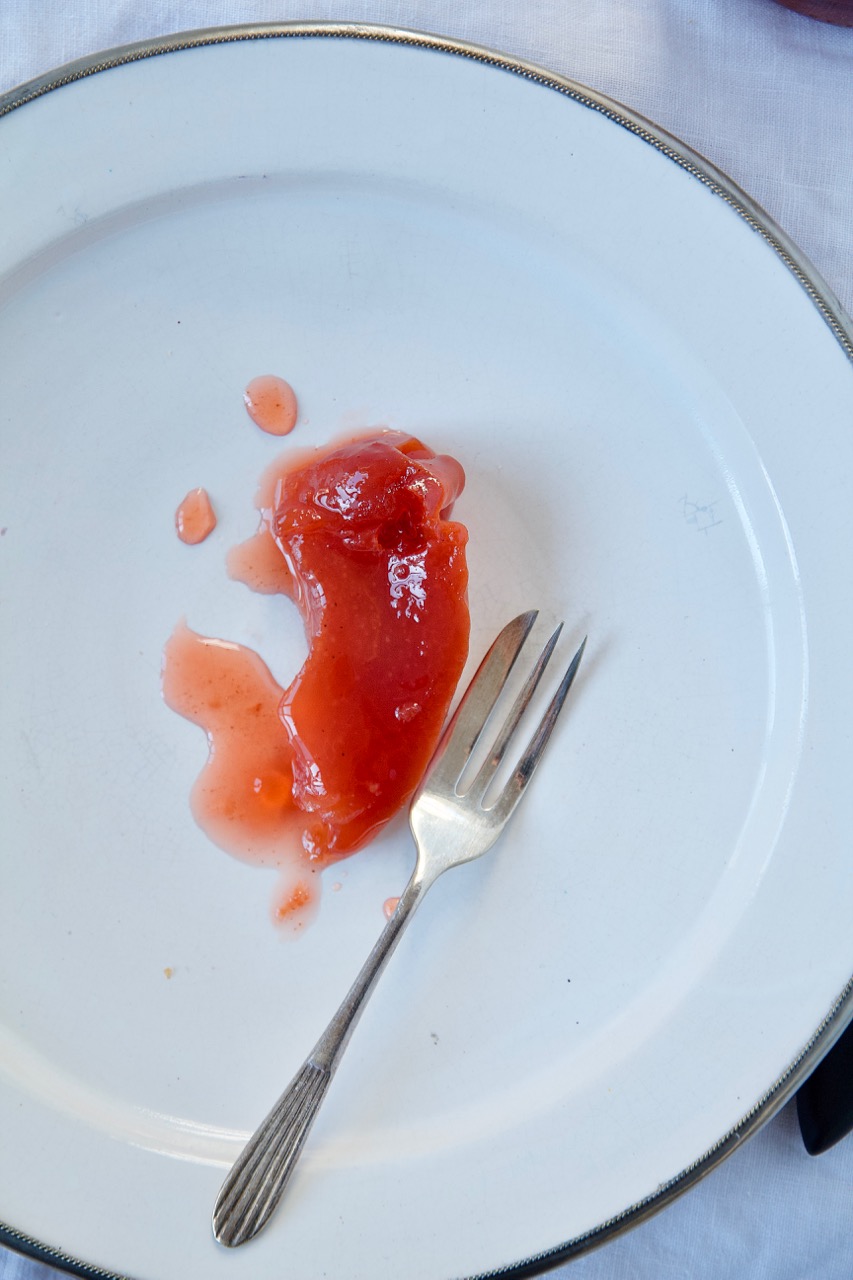
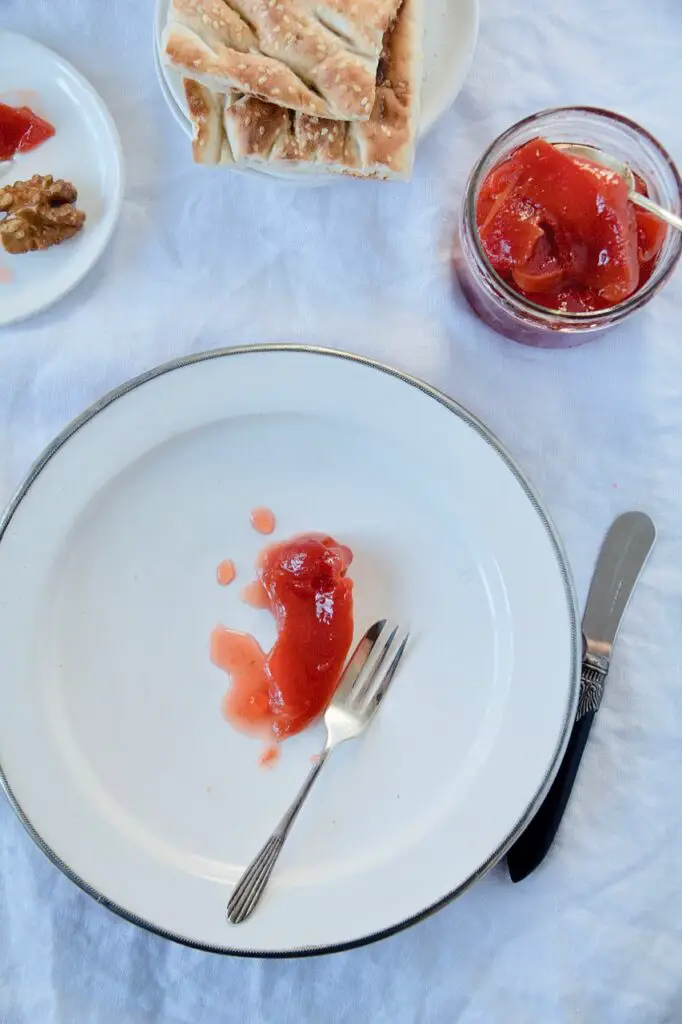
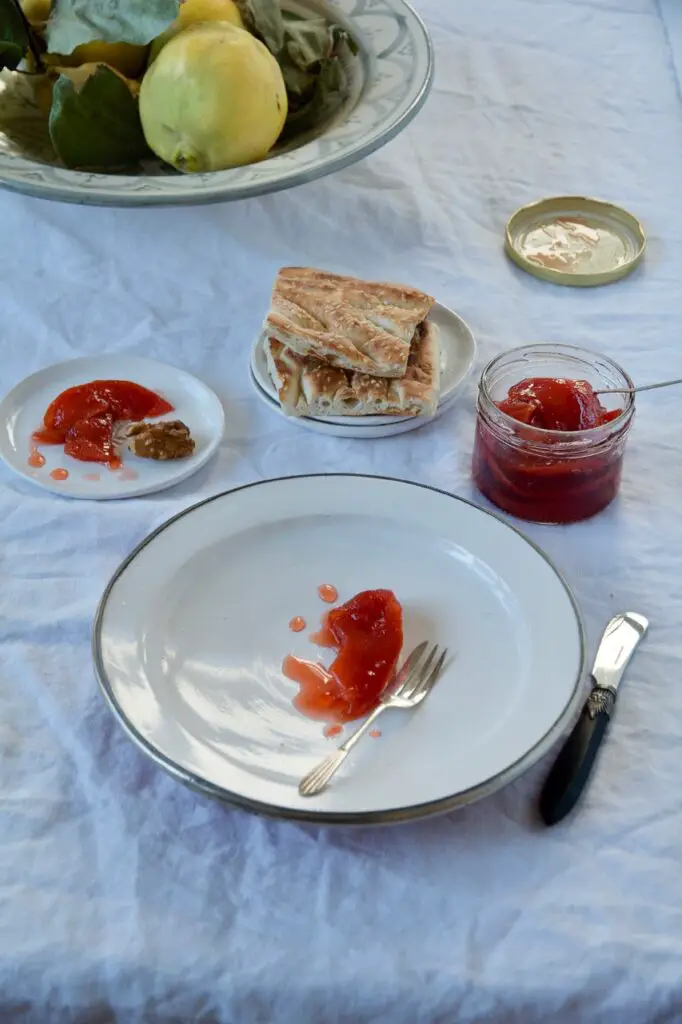
A Persian breakfast without Morabay-e Beh – Traditional Persian Quince Jam, is unthinkable! Imagine spreading a spoonful of golden-red quince jam over warm bread. It tastes sweet, fruity, and slightly caramelised, with delicate hints of rosewater and cinnamon. One bite, and you will understand why this traditional Persian preserve holds such a special place on the Iranian breakfast table.
The best part? You only need a handful of simple ingredients to make it. Fresh quinces, sugar, water, lemon juice, rosewater, and a touch of cinnamon are all it takes to create this fragrant homemade jam. I cook the quinces with their skins on because the skin contains natural pectin, which helps the jam thicken without added jam sugar. As the fruit slowly simmers, it transforms from pale yellow to a beautiful ruby-red colour and fills your kitchen with the most incredible aroma. I wish you could smell it right now!
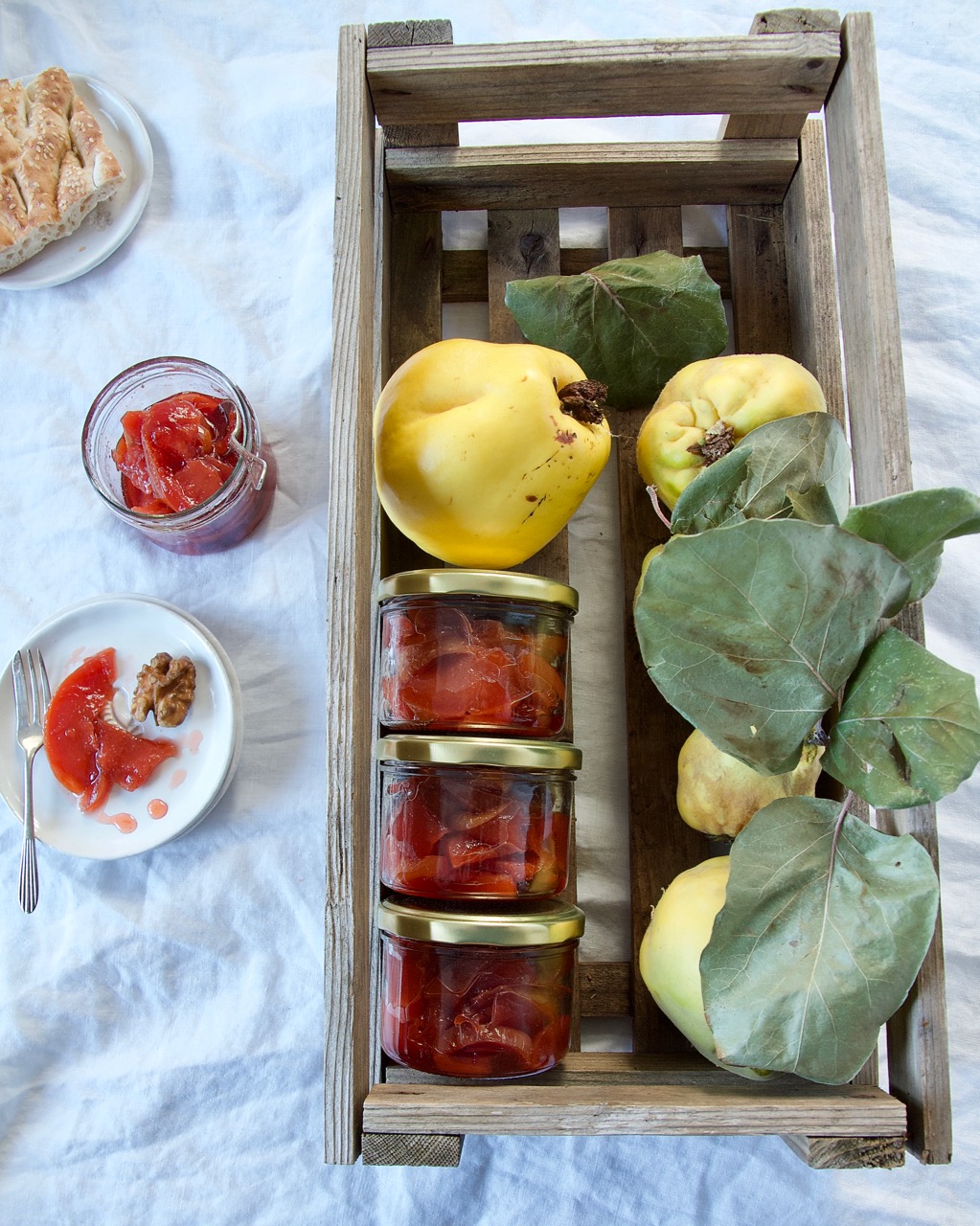
WHAT IS MORABAY-E BEH?
Morabay-e Beh (مربای به) is the Persian name for quince jam or quince preserve. It is a traditional sweet preserve made by slowly cooking fresh quinces with sugar and water until the fruit becomes tender and develops its characteristic deep red colour.
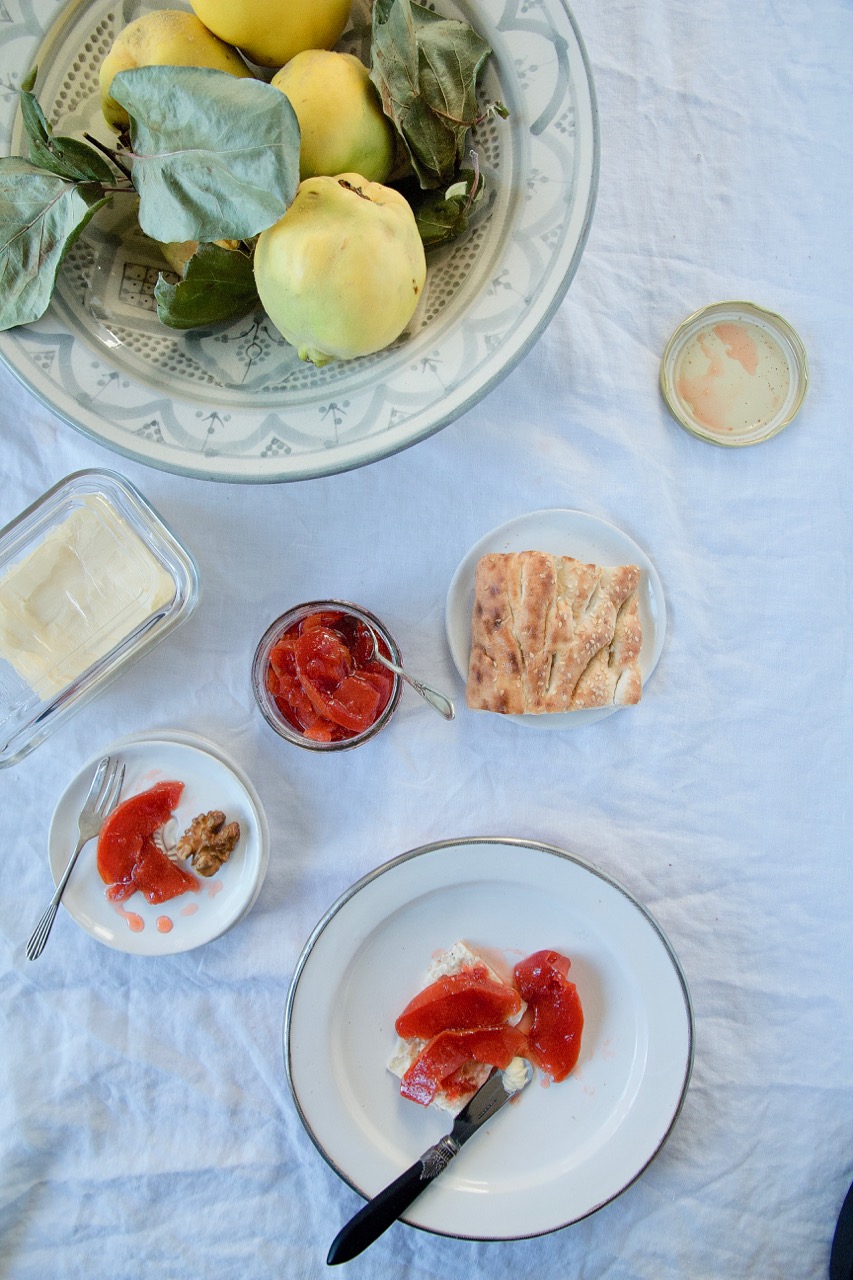
Persian quince jam is more than just a sweet spread. It is a beloved part of a traditional Iranian breakfast, often served alongside fresh bread, butter, feta cheese, walnuts, and a glass of freshly brewed Persian tea. Unlike many fruit jams, Morabay-e Beh has a wonderful texture and a delicate balance of fruity sweetness, gentle acidity, and warm spices. Rosewater adds a floral note, while cinnamon gives the syrup a comforting, fragrant finish.
The slow cooking process is what makes this recipe so special. The quinces gradually soften, their flavour deepens, and their colour changes into a stunning reddish hue.
WHY YOU WILL LOVE THIS PERSIAN QUINCE JAM RECIPE
- Simple ingredients: You only need six everyday ingredients.
- No added pectin needed: The natural pectin in the quince helps the jam set.
- Beautiful ruby-red colour: Slow cooking gives the fruit its signature appearance.
- Deliciously fragrant: Rosewater and cinnamon add an authentic Persian touch.
- Perfect for breakfast: Serve it with bread, butter, cheese, or Persian tea.
- A wonderful homemade gift: Fill small jars with this fragrant preserve and share a taste of Persian hospitality.
WHERE CAN YOU BUY FRESH QUINCES?
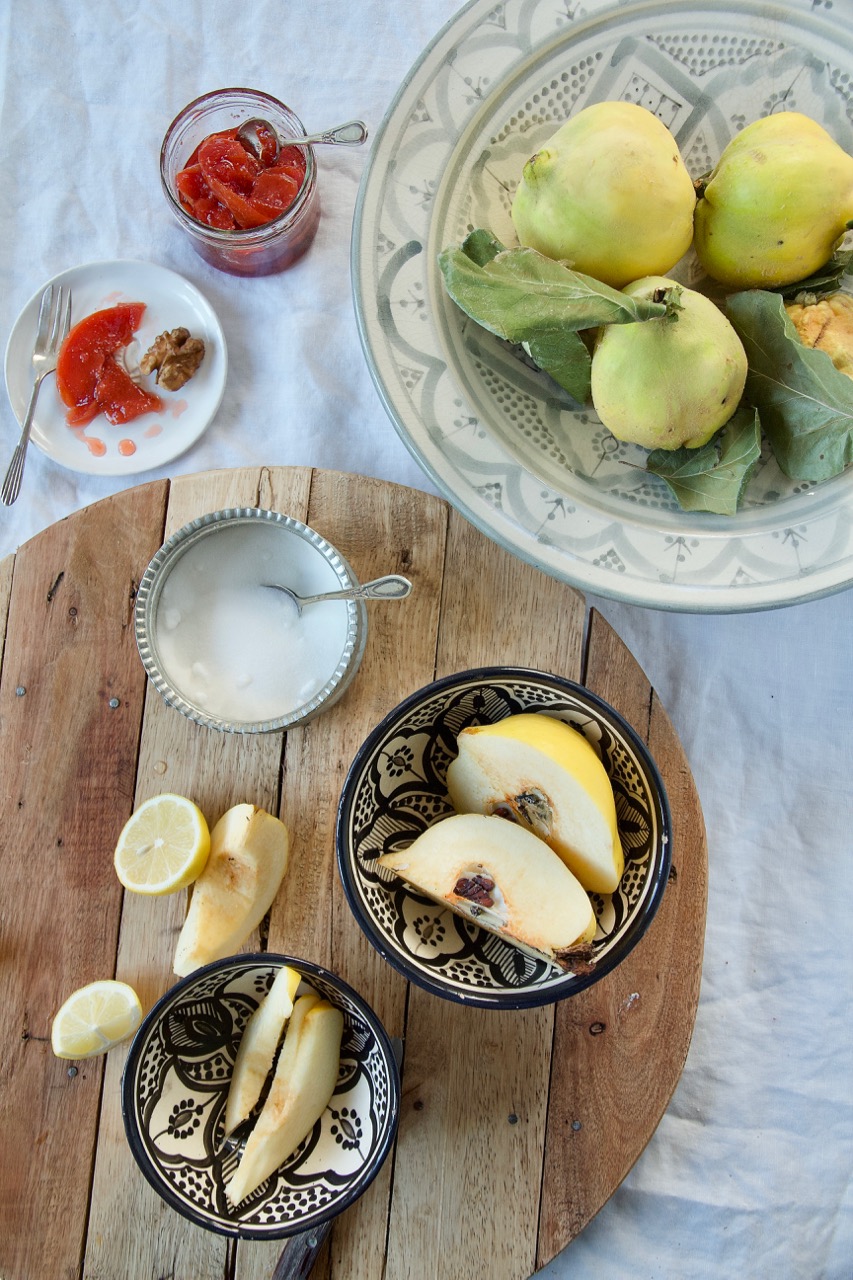
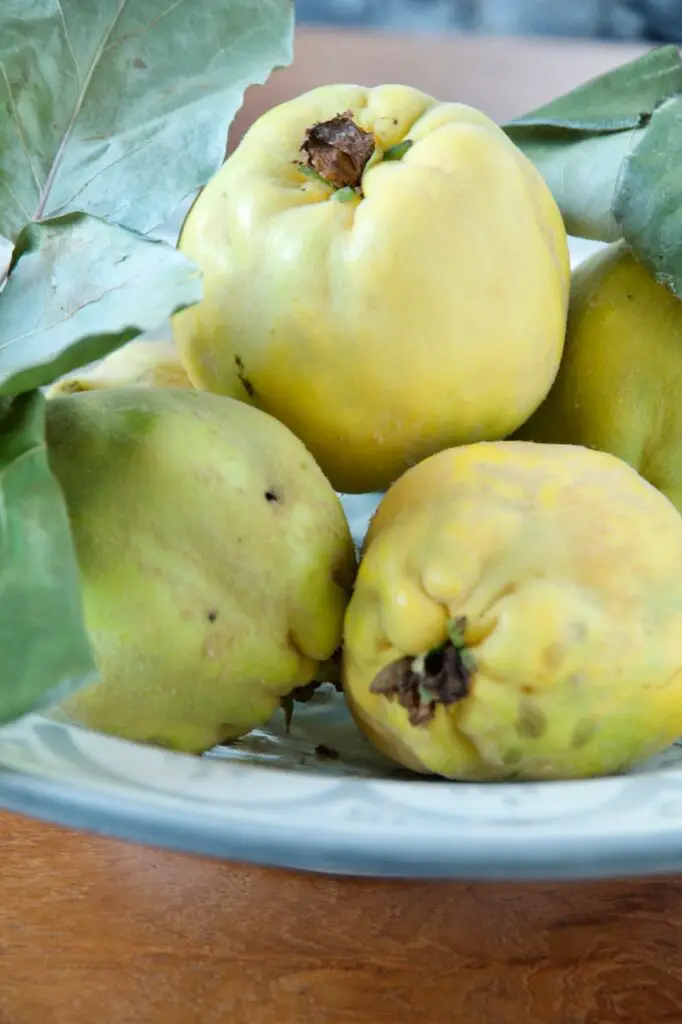
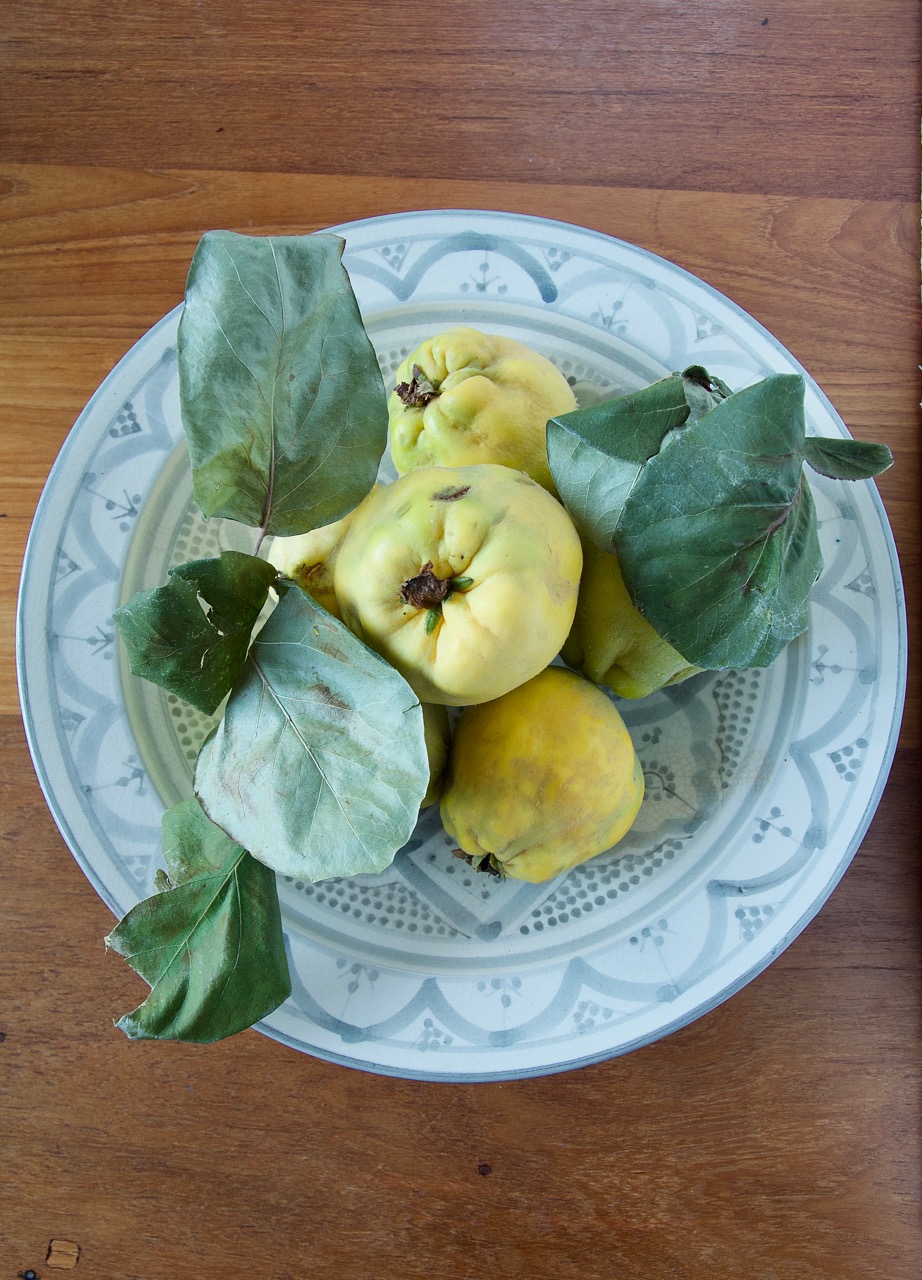
I was lucky enough to receive some beautiful, fragrant yellow quinces from an old quince tree belonging to a friend. Freshly picked quinces have an incredible aroma, and I always feel lucky when I can get my hands on them. If you cannot find quinces at your local market, try a Turkish, Middle Eastern, or Persian grocery store. You may also find them at farmers’ markets or well-stocked supermarkets during autumn, when quinces are in season.
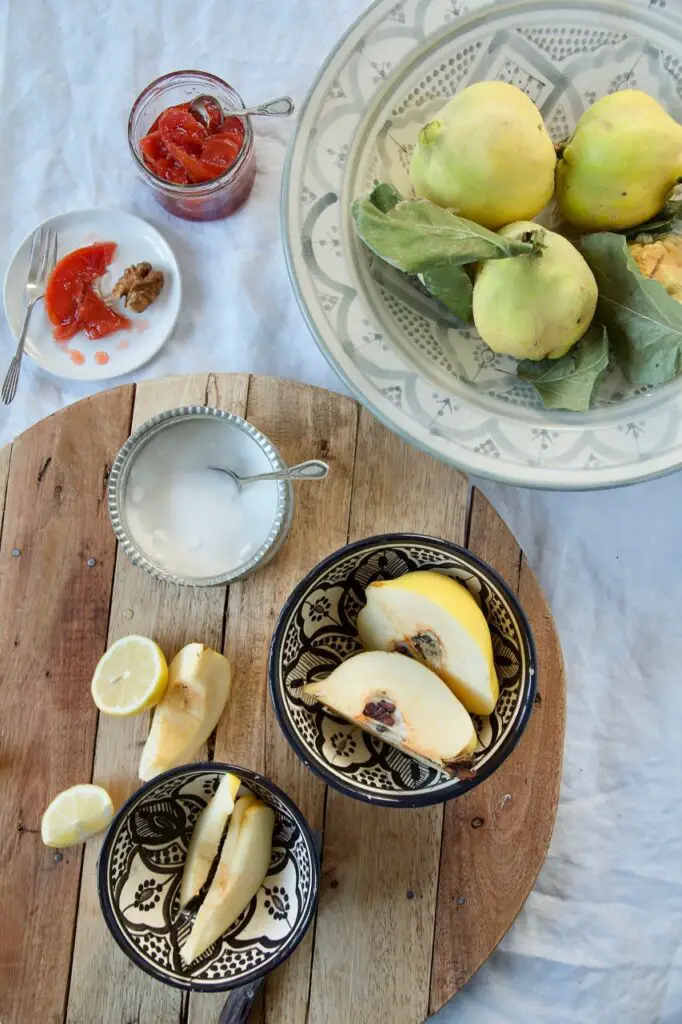
Fresh quinces are usually firm, yellow, and wonderfully aromatic. Their skin often has a soft, fuzzy coating that you should remove before cooking. I love how versatile this fruit is. Raw quince is hard and rather woody, but when you cook it slowly, it becomes tender and releases its beautiful fragrance.
A little tip: Use fragrant, ripe quinces for the best flavour. Choose fruit that feels firm and has a lovely yellow colour.
HOW TO SERVE PERSIAN QUINCE JAM
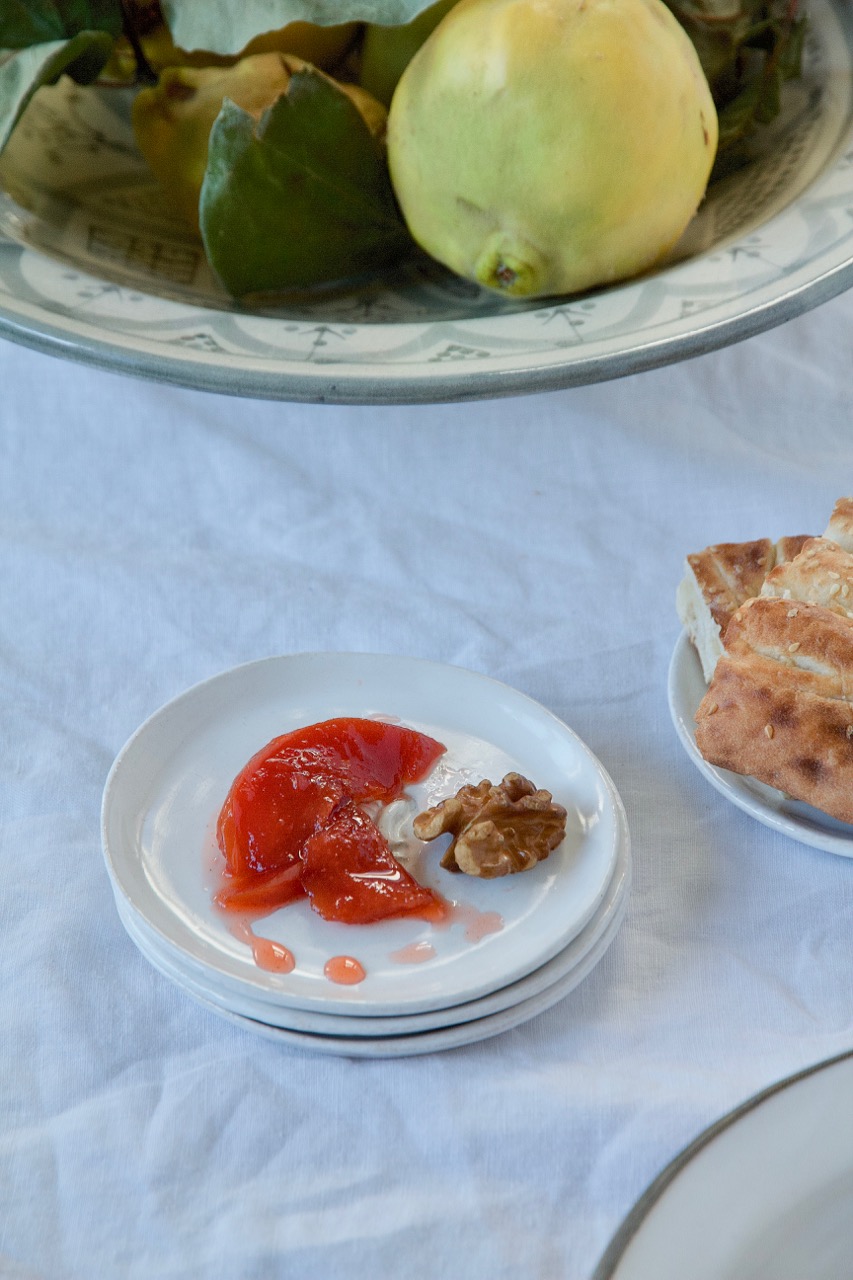
In Iran, breakfast is a wonderful opportunity to bring sweet and savoury flavours together. Morabay-e Beh is a delicious addition to a traditional Persian breakfast spread.
Here are a few of my favourite ways to serve it:
- With fresh Persian Barbari or Lavash bread: Spread the jam over warm flatbread or serve it with fresh crusty bread.
- With butter and feta cheese: The creamy, salty flavours balance the sweetness of the quince perfectly.
- With walnuts: Add a handful of walnuts for a lovely combination of textures.
- With Persian black tea: Enjoy a spoonful of quince jam alongside a freshly brewed cup of tea.
- With yoghurt: Swirl a little jam into plain yoghurt for a fragrant breakfast or afternoon snack.
You can also serve quince jam with pancakes, toast, porridge, or a cheese board. Its sweet, floral flavour makes it wonderfully versatile.
TIPS FOR THE BEST HOMEMADE QUINCE JAM
- Remove the fuzzy coating. Rub the quinces with a clean kitchen towel before slicing them to remove the fine fuzz from the skin.
- Keep the skins on while cooking. They provide natural pectin and help the jam develop a lovely consistency.
- Cook the fruit slowly. Gentle simmering helps the quinces soften and develop their characteristic reddish colour.
- Do not skip the lemon juice. Its acidity balances the sweetness and helps preserve the fruit’s fresh flavour.
- Add the rosewater at the end. This helps retain its delicate floral fragrance.
- Check the consistency carefully. Use the cold-plate test and remember that the jam thickens further as it cools.
- Preserve it safely. Use clean jars and follow a tested canning process if you plan to store the jam at room temperature.
MORE QUINCE RECIPES TO TRY
If you love quinces as much as I do, you will find plenty of delicious inspiration on my blog! From comforting Persian stews to sweet treats, this fragrant autumn fruit deserves a place in so many wonderful recipes as:
- Tas-Kabab-e Beh – Persian Roast Beef with Root Vegetables and Quince – A comforting Persian dish with tender roast beef, seasonal root vegetables, and fragrant quinces.
- Khoresht-e Beh – Persian Lamb and Quince Stew with Yellow Split Peas and Dried Limes – A warming Persian stew that combines tender lamb, sweet quince, and the tangy flavour of dried limes.
- Khoresht-e Beh Aloo – Quince, Prune and Beef Stew
- Crêpes with Caramelised Quince and Spiced Yoghurt – A delicious sweet treat with soft caramelised fruit and aromatic yoghurt.
Whether you prefer sweet or savoury dishes, these quince recipes bring a little taste of Persian cooking into your kitchen.
MORE HOMEMADE JAM RECIPES
Are you a fan of homemade jams and fruit preserves? Then you are in the right place! Persian cuisine offers a wonderful variety of sweet preserves, often flavoured with fragrant spices, rosewater, and seasonal fruit. Here are a few more delicious recipes to explore:
- Morabay-e Havij – Persian Carrot and Orange Jam with Cardamom and Rosewater – A fragrant combination of sweet carrots, fresh orange, warming cardamom, and floral rosewater.
- Morabay-e Albaloo – Persian Sour Cherry Jam – A fruity, sweet-and-tangy preserve made with delicious sour cherries.
- Morabay-e Chagale Gerdoo – Persian Green Walnut Preserve – A traditional Persian delicacy made with walnuts and enjoyed as a special sweet preserve.
- Morabayeh Gol – Persian Rose Petal Preserve – A beautifully fragrant preserve with the delicate aroma of rose petals.
- Morabay-e Anjir – Persian Fig Jam – A delicious fig preserve that brings natural sweetness to your breakfast table.
- Morabay-e Toot Faranghi – Low Sugar Strawberry Jam
Serve these homemade jams with fresh bread, butter, cheese, or a cup of Persian tea. They also make thoughtful homemade gifts for anyone who loves discovering new flavours. Which Persian jam would you like to try first?
FREQUENTLSY ASKED QUESTIONS
WHY DOES PERSIAN QUINCE JAM TURN RED?
Quinces can develop a beautiful reddish or ruby-red colour during prolonged cooking. Heat gradually changes the fruit’s natural pigments and other compounds, creating the characteristic colour associated with traditional Persian quince jam. The final shade depends on the variety of quince, the cooking time, and the recipe.
DO I NEED JAM SUGAR TO MAKE QUINCE JAM?
No. Quinces contain natural pectin, especially in their skins and cores. Regular sugar can work well in this recipe without added commercial pectin, although the final consistency depends on the fruit, the sugar concentration, and the cooking time.
CAN I LEAVE THE SKIN ON THE QUINCES?
Yes! Keeping the skin on is traditional in many quince preserve recipes and helps provide natural pectin. Just make sure you wash the fruit well and rub away the fuzzy coating before slicing.
CAN I MAKE QUINCE JAM WITHOUT ROSEWATER?
Absolutely. Rosewater gives Morabay-e Beh its distinctive floral aroma, but you can leave it out if you prefer a more straightforward fruity flavour. A little extra cinnamon is another option.
HOW LONG DOES HOMEMADE QUINCE JAM LAST?
The shelf life depends on the sugar concentration, preparation, jar cleanliness, and preservation method. For room-temperature storage, follow a tested canning recipe and processing instructions. If you have not processed the jam using a tested method, refrigerate it promptly and use it within a suitable refrigerated storage period, or freeze it in an appropriate container.
WHAT IS THE DIFFERENT BETWEEEN QUINCE JAM AND QUINE JELLY ?
Quince jam generally contains pieces of fruit suspended in a sweet syrup, while quince jelly is made from strained quince juice and has a smoother, clearer texture. Morabay-e Beh is usually closer to a fruit preserve, with tender pieces of quince and a fragrant syrup.
A LITTLE TASTE OF PERSIAN BREAKFAST TRADITION
For me, Morabay-e Beh is much more than a homemade fruit preserve. It brings back the warmth of Persian breakfasts, the fragrance of freshly brewed tea, and the joy of sharing delicious food with the people we love.
I adore the way simple ingredients transform into something so special. A few quinces, a little sugar, a touch of cinnamon, and fragrant rosewater create a preserve that is full of flavour, colour, and tradition. Serve it at breakfast, offer it to your guests, or spoon a little over fresh bread whenever you need a sweet moment in your day.
Have you ever tried Persian quince jam? I would love to hear how you serve it and whether you add your own special touch.
INGREDIENTS FOR PERSIAN QUINCE JAM
7 fresh quinces (1,2 kg, 42.3 oz or. 2.65 lb)
600 g sugar ( 3 cups)
800 ml water ( 3⅓ US cups)
4 tsp lemon juice
½ tsp ground cinnamon*
1 tbsp rosewater*
HOW TO MAKE MORABAY-E BEH
Making Persian quince jam takes a little patience, but the process is wonderfully simple. Let the fruit simmer gently, and it will reward you with a beautiful colour and an irresistible aroma.
STEP 1: PREPARE THE SUGAR SYRUP
Pour the water into a large, heavy-based saucepan and add the sugar and cinnamon.
Bring the mixture to a boil, stirring until the sugar dissolves. Reduce the heat and let the syrup simmer gently for about 10 minutes, until it begins to thicken slightly.
STEP 2: PREPARE THE QUINCES
Wash the quinces thoroughly. Their skins often have a fine, fuzzy coating, so rub each fruit with a clean kitchen towel to remove it.
Cut the quinces into slices, keeping the skin on. Remove the hard core and seeds, then drizzle the slices with lemon juice to help prevent excessive browning.
Why keep the skin on? Quince skin contains natural pectin, which helps the jam thicken as it cooks. It also contributes to the fruit’s lovely texture and flavour.
STEP 3: ADD THE QUINCES TO THE SYRUP
Carefully add the sliced quinces to the warm sugar syrup.
Bring everything briefly back to a boil, then reduce the heat to low. Let the mixture simmer gently until the quinces become tender and gradually turn a beautiful reddish colour.
This usually takes around 1½ to 3 hours, depending on the fruit and the heat.
Be patient! The slow cooking process is the secret to the jam’s deep colour and rich, fruity flavour. The longer the quinces cook gently, the deeper their colour can become.
Stir occasionally and make sure the fruit does not stick to the bottom of the pan. If necessary, adjust the heat to maintain a gentle simmer.
STEP 4: TEST WHETHER THE JAM IS READY
To check the consistency, place a small plate in the refrigerator before you start cooking.
Spoon a little hot jam onto the cold plate and leave it for a moment. If the syrup cools and thickens, the jam is ready. If it remains very runny, continue cooking and test again.
Remember that the jam will thicken further as it cools, so you do not need to reduce the syrup too much.
STEP 5: ADD THE ROSEWATER
Once the quince jam reaches your desired consistency, remove the saucepan from the heat.
Stir in the rosewater and let its delicate floral aroma blend with the sweet fruit and cinnamon.
Your kitchen should now smell absolutely wonderful!
STEP 6: FILL THE JARS
Prepare clean, sterilised jars* and suitable lids before you finish cooking.
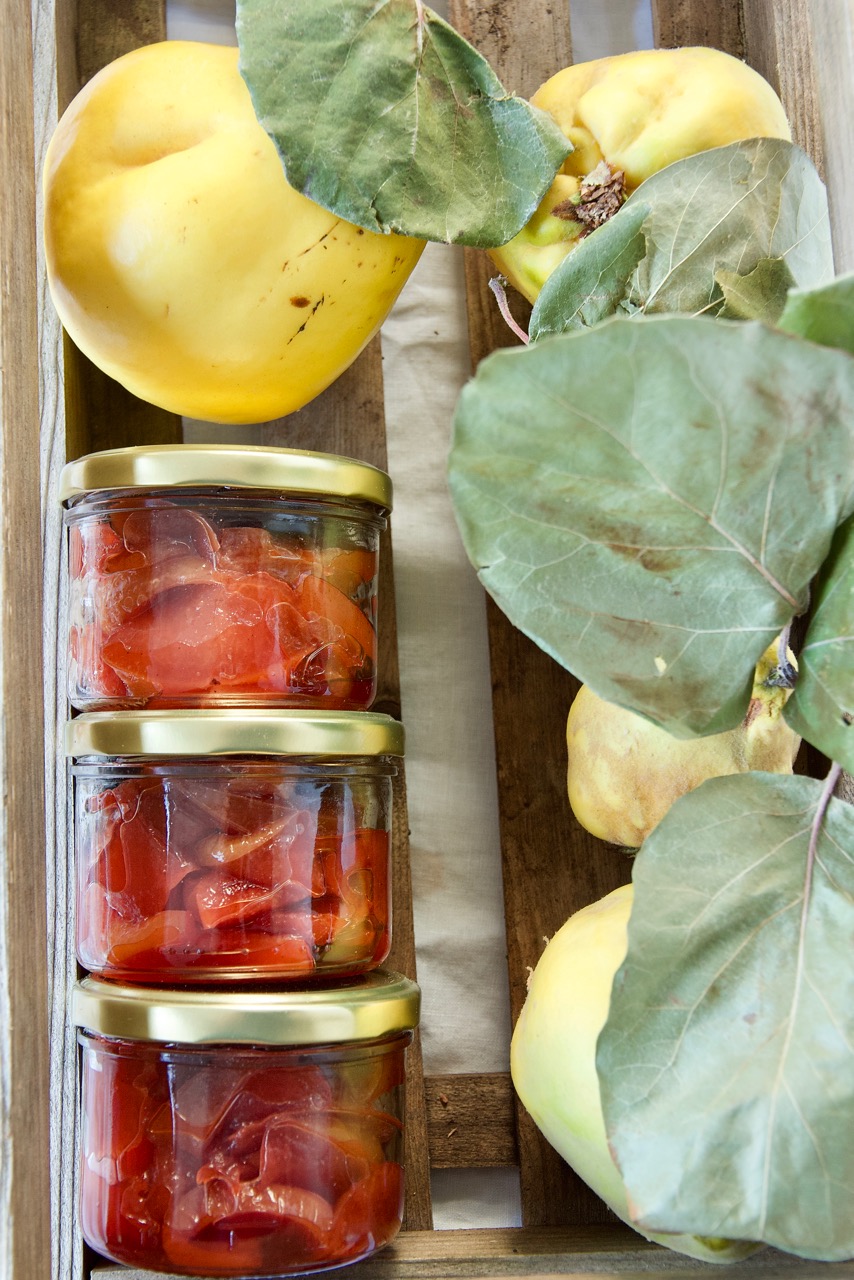
Carefully ladle the hot quince jam into the prepared jars, following safe home-preserving practices. Leave the headspace recommended for your chosen preserving method, wipe the rims clean, and close the jars securely.
For longer storage at room temperature, use a tested recipe and a suitable water-bath canning process. Simply turning the jars upside down for 15 minutes does not reliably sterilise the contents or guarantee a safe seal.
Allow the jars to cool according to your preserving method, label them, and store them as directed.
Your homemade Morabay-e Beh is now ready!
Enjoy every spoonful!
With love from my Persian kitchen,
Susan
The items marked with * are affiliate links, referral links. If you buy through this link, I get a small commission. The price stays the same for you and you can easily support my efforts. A big thank you ♥
Morabay-e Beh – Traditional Persian Quince Jam
It tastes sweet, fruity, and slightly caramelised, with delicate hints of rosewater and cinnamon.
Ingredients
INGREDIENTS FOR PERSIAN QUINCE JAM
- 7 fresh quinces 1,2 kg, 42.3 oz or. 2.65 lb
- 600 g sugar 3 cups
- 800 ml water 3⅓ US cups
- 4 tsp lemon juice
- ½ tsp ground cinnamon
- 1 tbsp rosewater
Instructions
HOW TO MAKE MORABAY-E BEH
-
Making Persian quince jam takes a little patience, but the process is wonderfully simple.
-
Let the fruit simmer gently, and it will reward you with a beautiful colour and an irresistible aroma.
STEP 1: PREPARE THE SUGAR SYRUP
-
Pour the water into a large, heavy-based saucepan and add the sugar and cinnamon.
-
Bring the mixture to a boil, stirring until the sugar dissolves.
-
Reduce the heat and let the syrup simmer gently for about 10 minutes, until it begins to thicken slightly.
STEP 2: PREPARE THE QUINCES
-
Wash the quinces thoroughly.
-
Their skins often have a fine, fuzzy coating, so rub each fruit with a clean kitchen towel to remove it.
-
Cut the quinces into slices, keeping the skin on.
-
Remove the hard core and seeds, then drizzle the slices with lemon juice to help prevent excessive browning.
-
Why keep the skin on? Quince skin contains natural pectin, which helps the jam thicken as it cooks. It also contributes to the fruit’s lovely texture and flavour.
STEP 3: ADD THE QUINCES TO THE SYRUP
-
Carefully add the sliced quinces to the warm sugar syrup.
-
Bring everything briefly back to a boil, then reduce the heat to low. Let the mixture simmer gently until the quinces become tender and gradually turn a beautiful reddish colour.
-
This usually takes around 1½ to 3 hours, depending on the fruit and the heat.
-
Be patient! The slow cooking process is the secret to the jam’s deep colour and rich, fruity flavour. The longer the quinces cook gently, the deeper their colour can become.
-
Stir occasionally and make sure the fruit does not stick to the bottom of the pan. If necessary, adjust the heat to maintain a gentle simmer.
STEP 4: TEST WHETHER THE JAM IS READY
-
To check the consistency, place a small plate in the refrigerator before you start cooking.
-
Spoon a little hot jam onto the cold plate and leave it for a moment.
-
If the syrup cools and thickens, the jam is ready. If it remains very runny, continue cooking and test again.
-
Remember that the jam will thicken further as it cools, so you do not need to reduce the syrup too much.
STEP 5: ADD THE ROSEWATER
-
Once the quince jam reaches your desired consistency, remove the saucepan from the heat.
-
Stir in the rosewater and let its delicate floral aroma blend with the sweet fruit and cinnamon.
STEP 6: FILL THE JARS
-
Prepare clean, sterilised jars and suitable lids before you finish cooking.
-
Carefully ladle the hot quince jam into the prepared jars, following safe home-preserving practices.
-
Leave the headspace recommended for your chosen preserving method, wipe the rims clean, and close the jars securely.
-
For longer storage at room temperature, use a tested recipe and a suitable water-bath canning process.
-
Simply turning the jars upside down for 15 minutes does not reliably sterilise the contents or guarantee a safe seal.
-
Allow the jars to cool according to your preserving method, label them, and store them as directed.
Have you cooked this or maybe another delicious recipe of mine? Feel free to leave me a comment below. If you tag your picture on Instagram with @labsalliebe and use the hashtag #labsalliebe, I won’t miss a post and will be happy to leave you a comment as well. Can’t wait to see your creations.